Nature
Wildlife on Phillip Island
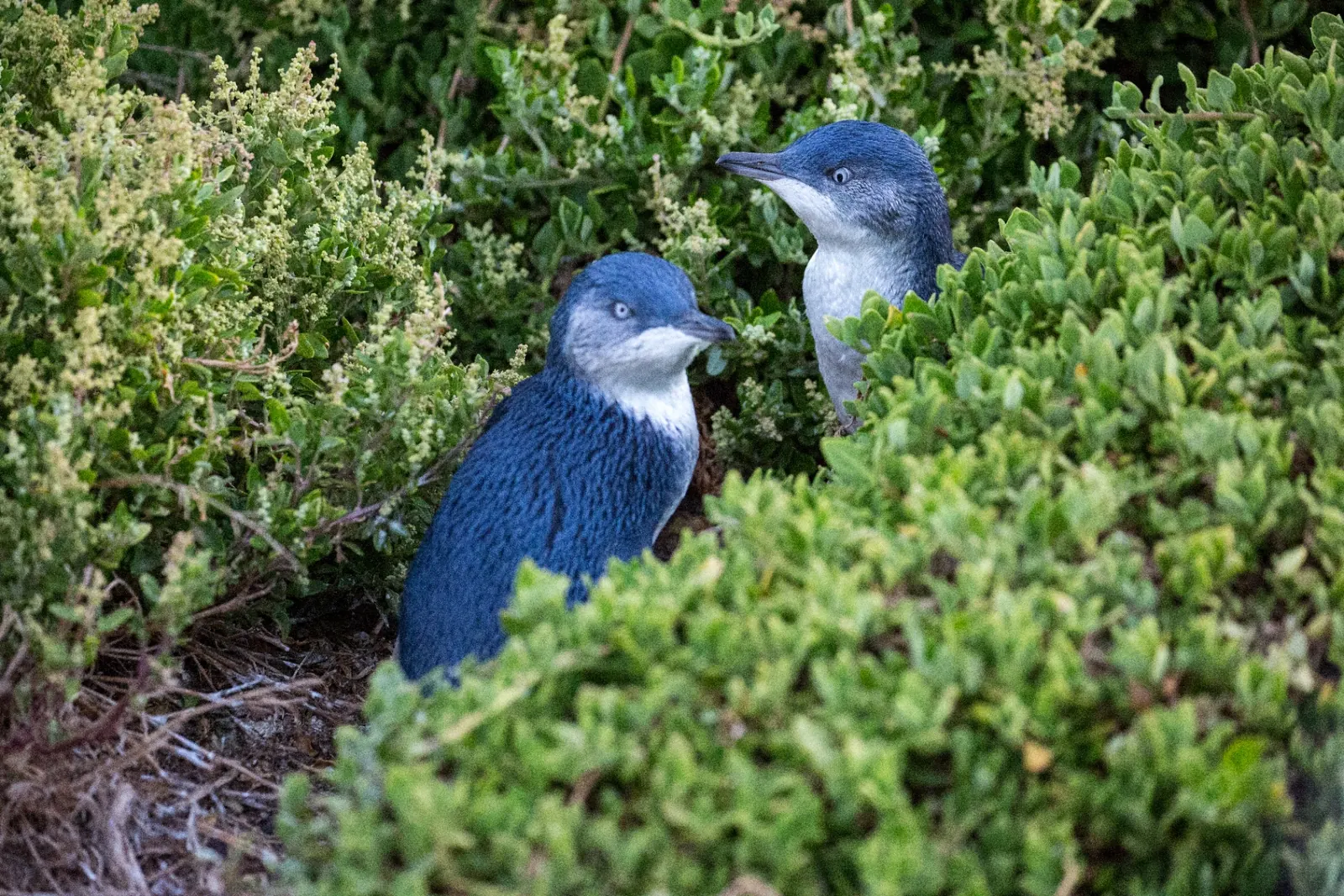
Phillip Island is best known for its little penguins, but the Island's reserves, wetlands and coastline also shelter koalas, fur seals and a wealth of shorebirds.
Last reviewed October 2026
Little penguins
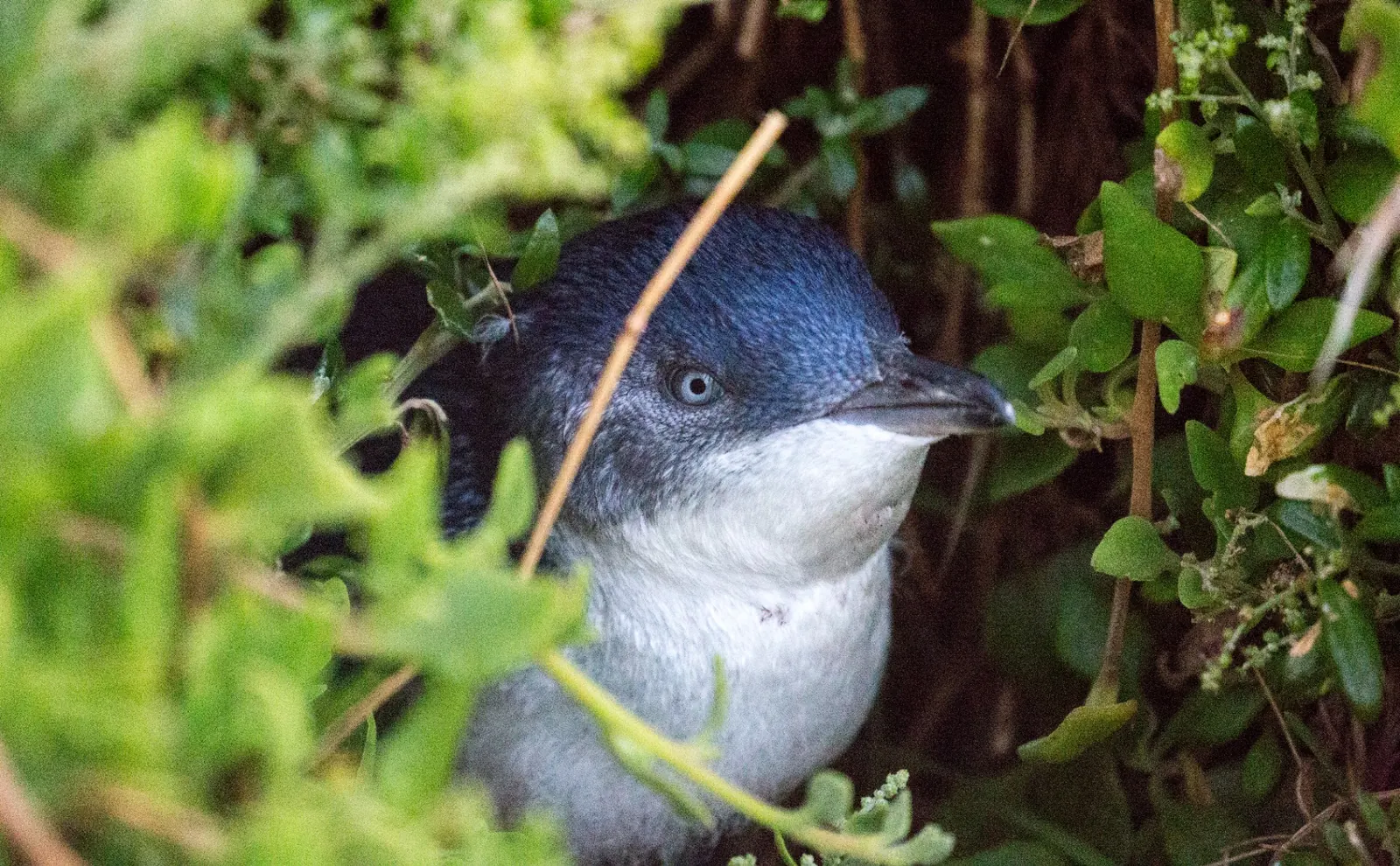
Each evening at sunset, little penguins come ashore on the Summerland Peninsula and cross the beach to their burrows. The Penguin Parade is run by Phillip Island Nature Parks, a not-for-profit conservation organisation.
Photography and filming are not permitted at the Parade to protect the penguins. Book ahead, especially in school holidays.
Editorial — to be verified
Koalas
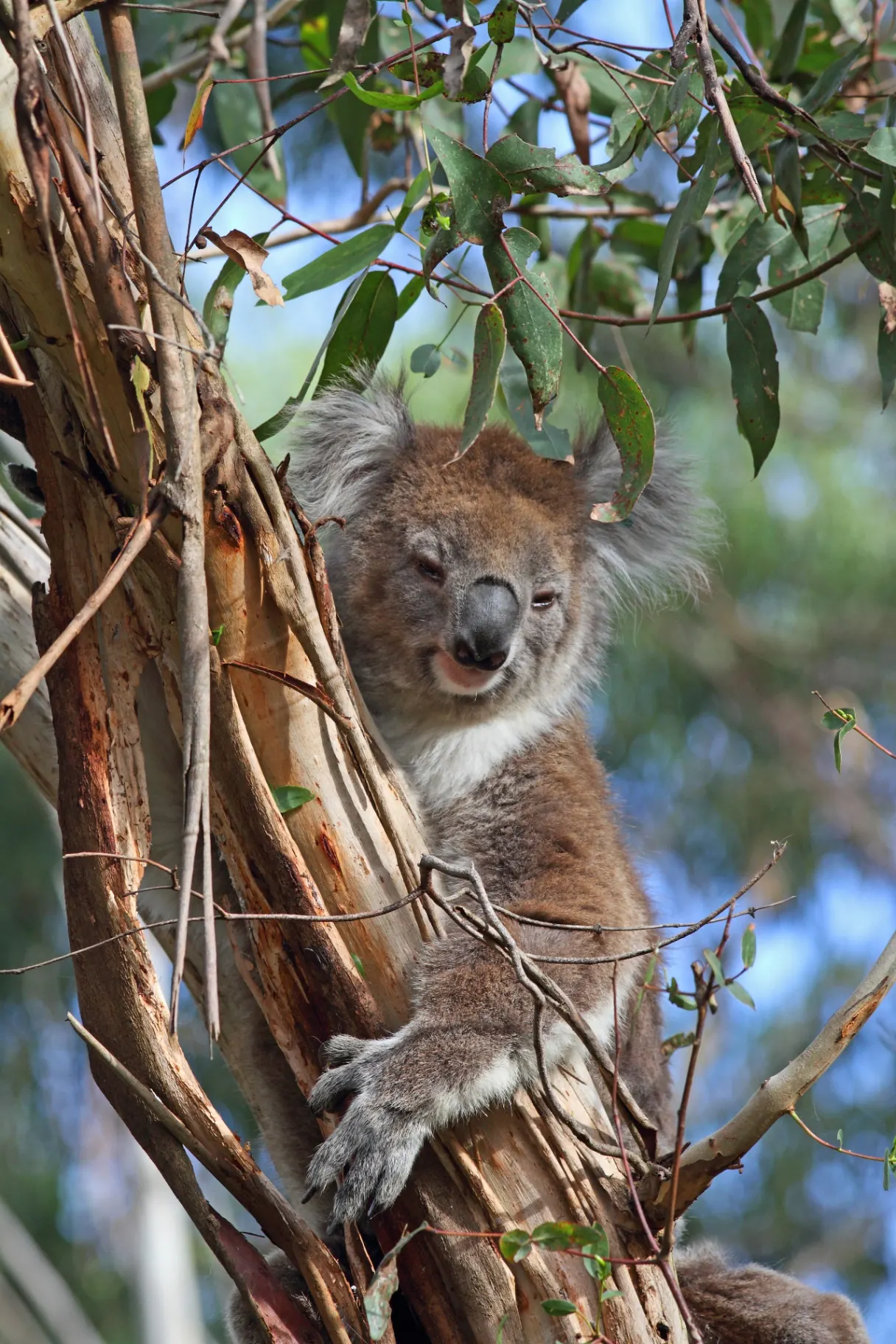
The Koala Conservation Reserve, also managed by Phillip Island Nature Parks, has elevated boardwalks through the treetops for seeing koalas in their natural habitat.
Australian fur seals
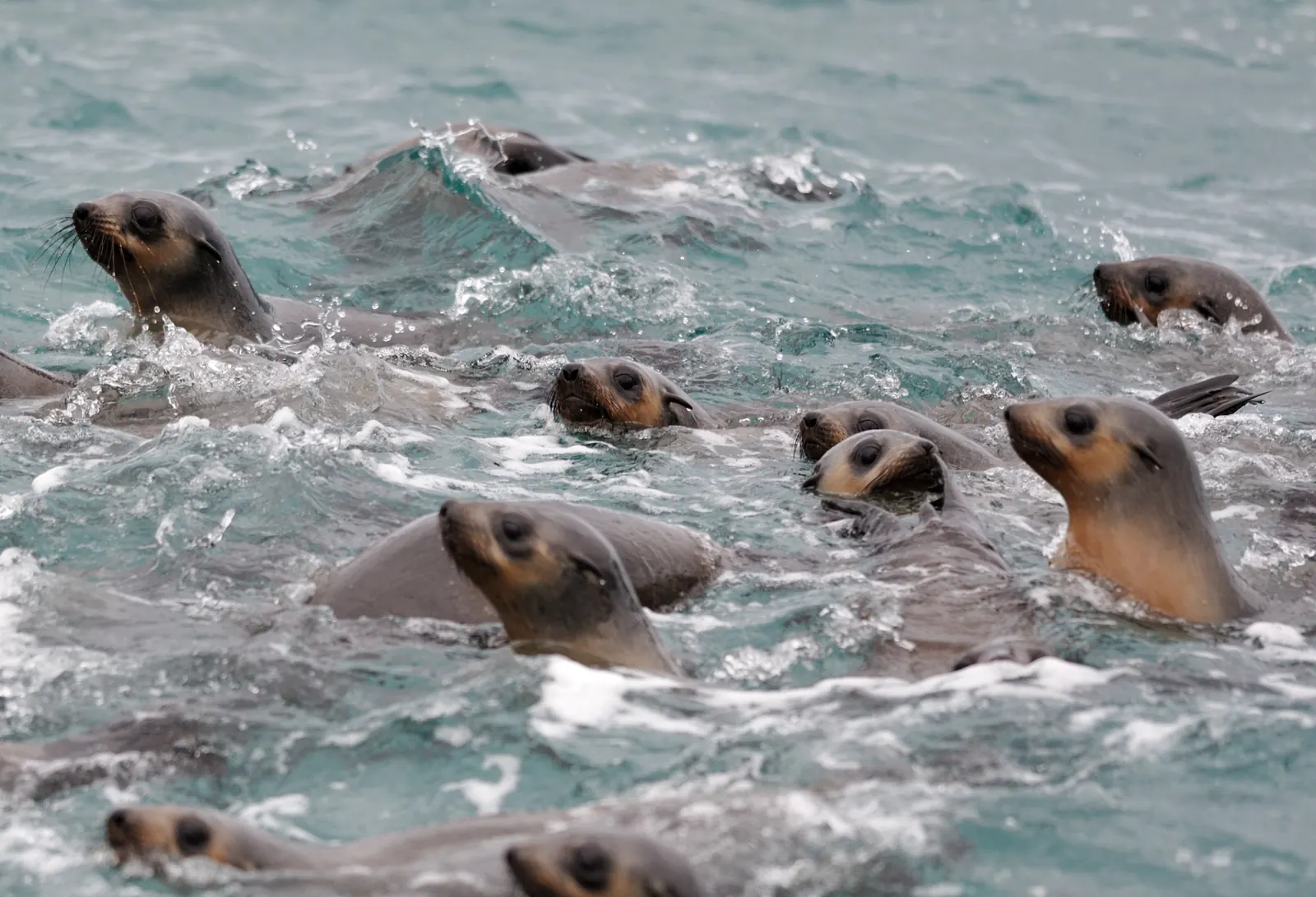
Seal Rocks, off the Island's western tip, is home to Australia's largest colony of Australian fur seals. The headland at The Nobbies looks out toward the colony.
Editorial — to be verified
Shorebirds
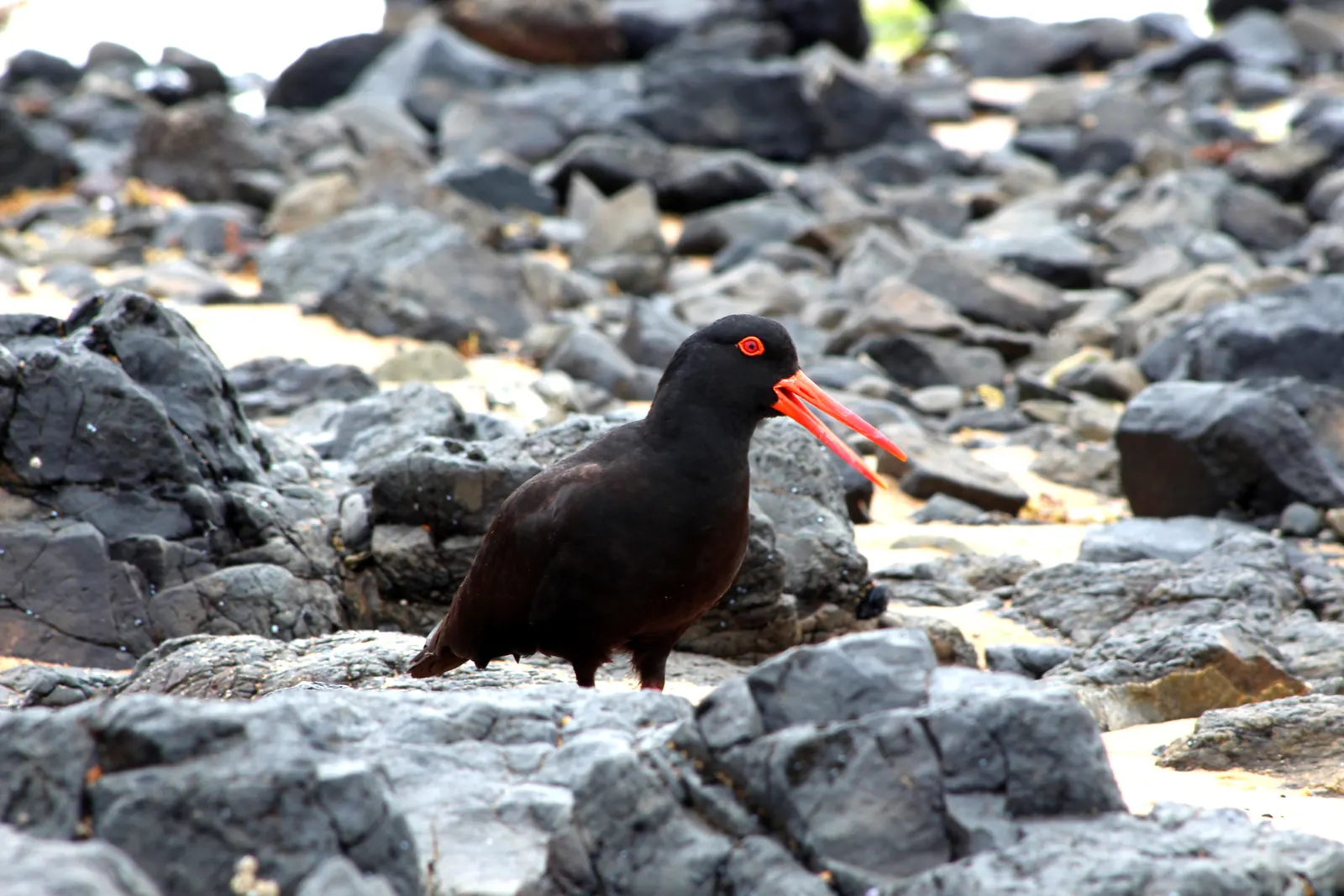
Resident species such as the sooty oystercatcher feed along the rocky shores, and migratory shorebirds visit the Island's wetlands and inlets.
Editorial — to be verified
Watching wildlife responsibly
Keep your distance, stay on paths and boardwalks, follow signage and drive slowly at dusk when wildlife is active on the roads.
Sources
Keep exploring
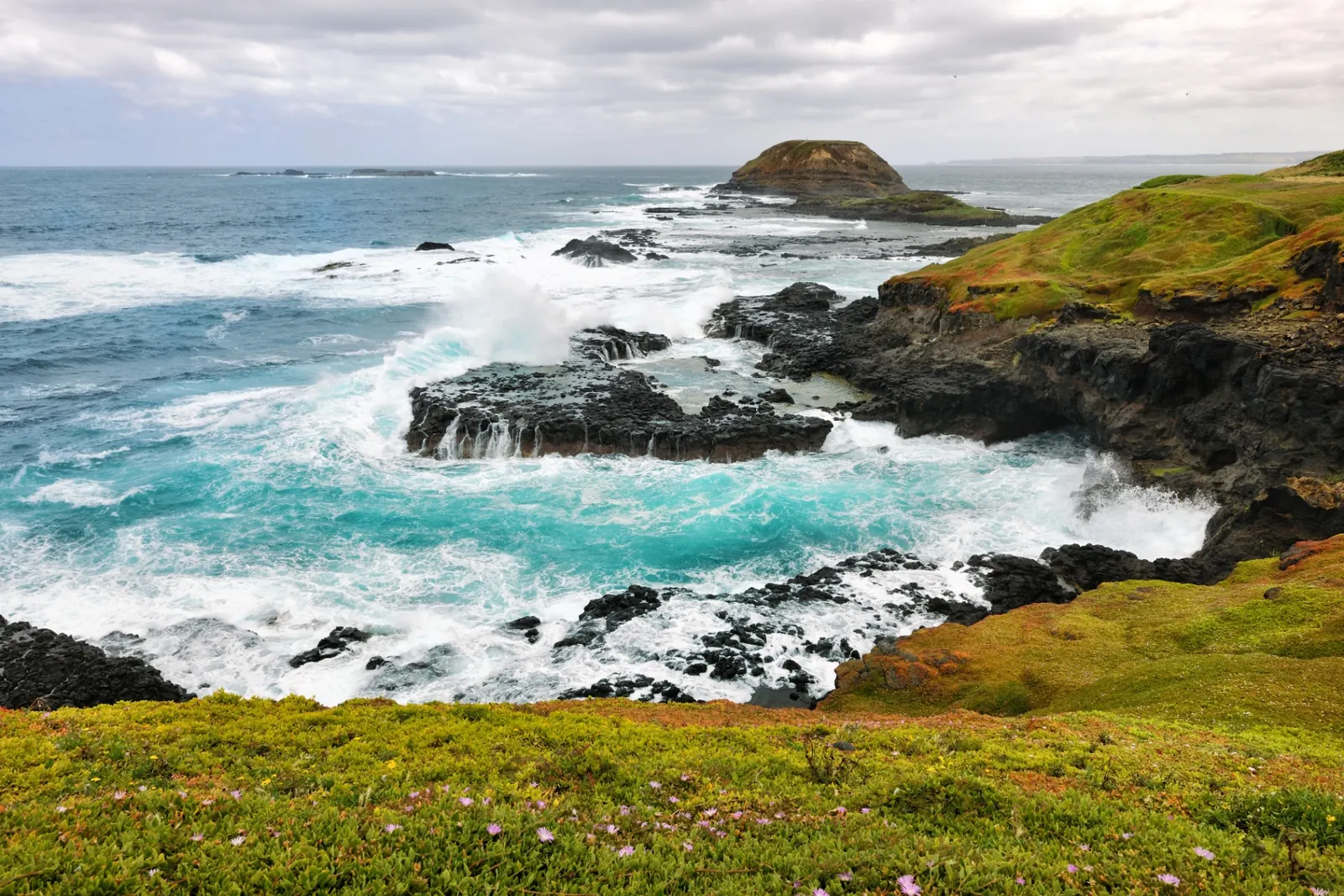
Coast
The Nobbies and Seal Rocks
Boardwalks, blowholes and sea views at The Nobbies, looking out to Seal Rocks and Australia's largest fur seal colony.
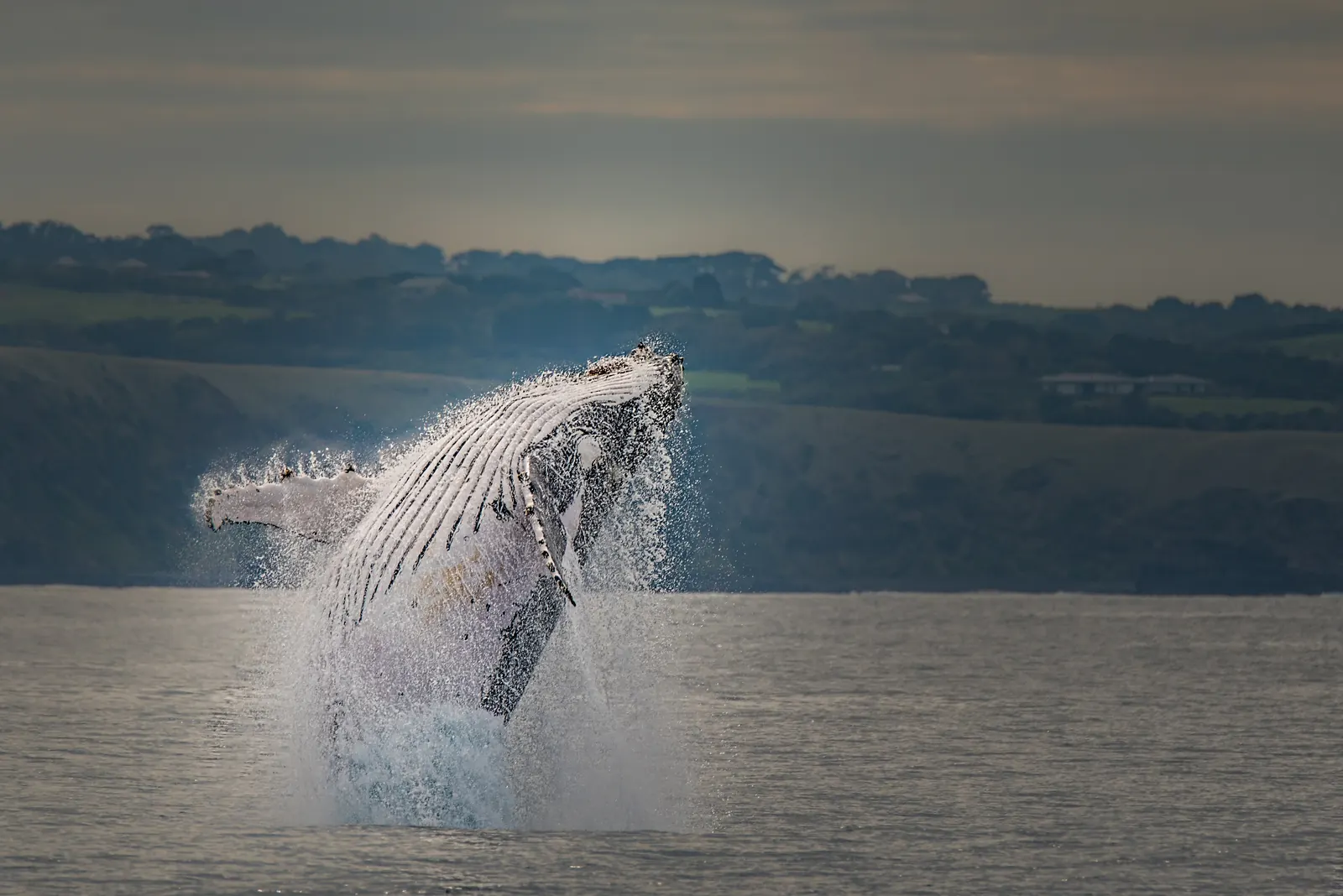
Nature
Whale watching around Phillip Island
When and where to look for whales off Phillip Island, from clifftop lookouts to guided cruises.
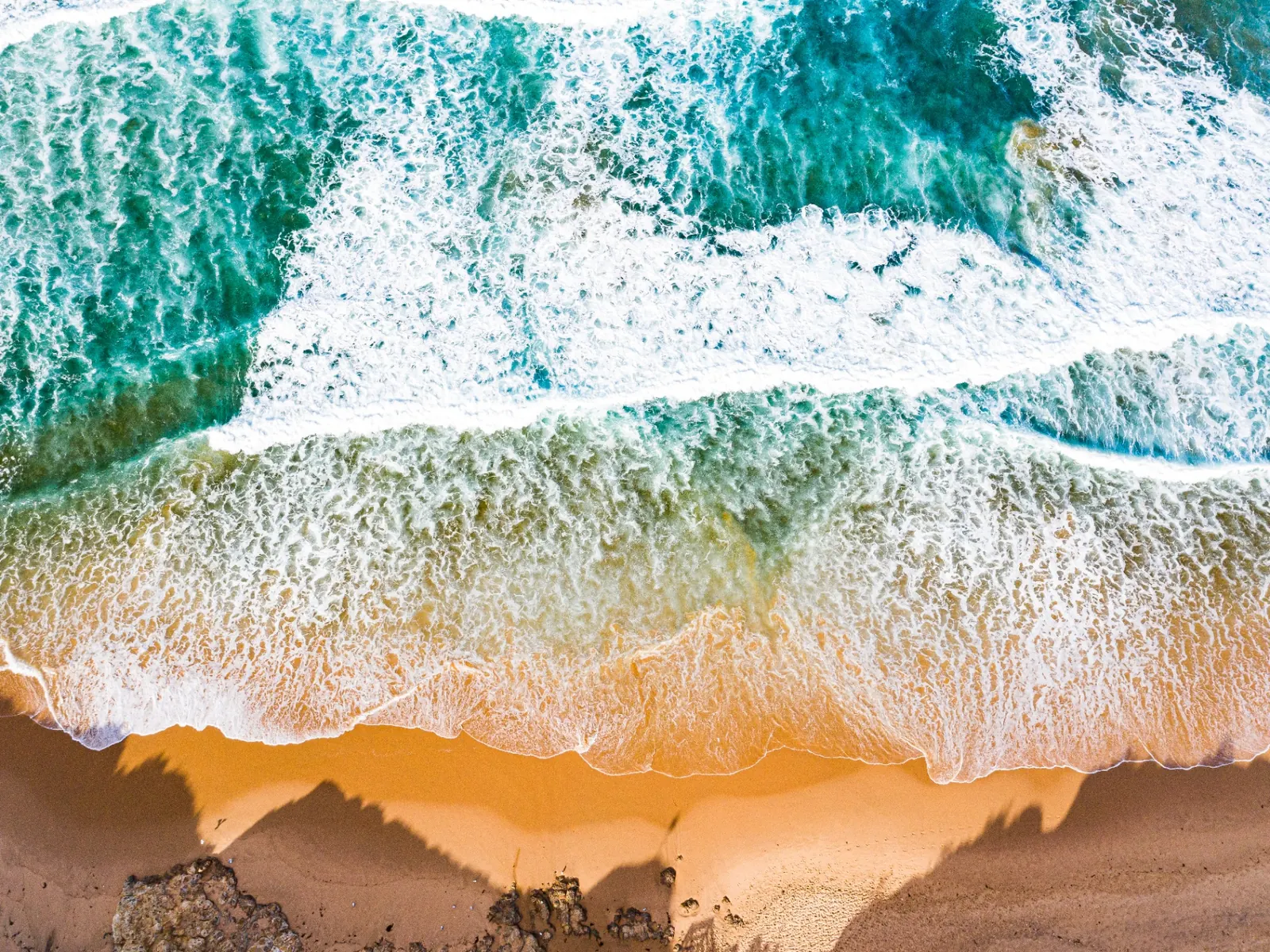
Coast
Cape Woolamai
A guide to Cape Woolamai on Phillip Island: coastal walks, The Pinnacles, the surf beach and what to know before you go.